Review: Watercolor Rose Floral Square Border for Embroidery
When I first pulled up the Watercolor Rose Floral Square Border on my screen, my immediate reaction wasn't just about the aesthetics; it was about feasibility. As a designer who spends hours hooping fabric and trimming jump stitches, I look at every digital embroidery file with a critical eye. Does this translate from a pretty illustration to a durable handmade product? This design falls under the Illustrations category, which often implies artistic flair, but in the world of machine embroidery, artistic flair can sometimes mean stitching nightmares if not handled correctly. Today, I'm breaking down how this specific border performs in real-world scenarios, from boutique apparel to home decor.
The First Impression: Mood and Layout
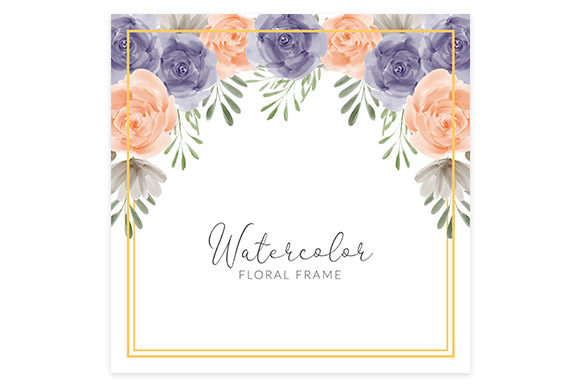
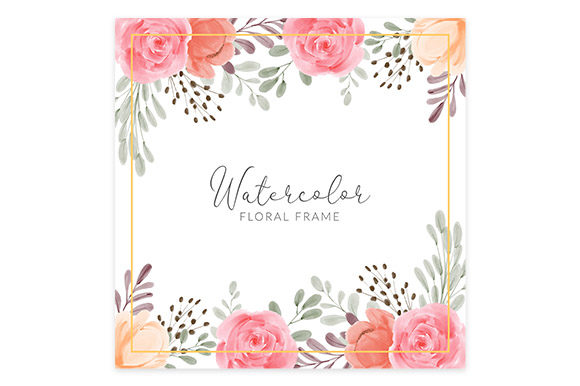
The visual personality of the Watercolor Rose Floral Square Border is undeniably soft and romantic. Unlike rigid geometric borders that scream "industrial," this design brings an organic, hand-painted feel to the table. The layout is a square frame, which is incredibly versatile for centering on items like pillow covers or framing a monogram on a tote bag. The mood it creates is gentle and inviting, making it a perfect candidate for baby showers, wedding gifts, or spring-themed collections.
However, the "watercolor" effect in embroidery is tricky. In a raster image, watercolor relies on bleeding edges and transparency. In stitch form, this translates to varying stitch density and clever color blending. My initial assessment suggests this design likely utilizes a mix of fill stitch for the petals to create that soft look, potentially supported by satin stitch outlines to define the shape against the fabric. If the digitizer has done their job well, the transitions between thread colors should be seamless, avoiding the blocky look that plagues many floral designs.
Real-World Application: The Custom Tote Bag Scenario
To truly test the viability of this design, I imagined a specific project: a custom order for a local boutique needing branded tote bag designs for a florist shop. The client wanted something that looked high-end but could withstand the rigors of carrying heavy grocery bags and bouquets.
The Watercolor Rose Floral Square Border fits this brief exceptionally well. Placed on a natural canvas tote, the floral elements pop without looking overpowering. The square shape allows the bag's handles to sit comfortably outside the design area, ensuring the embroidery doesn't get distorted when the bag is lifted. For an Etsy seller or small shop owner, this kind of versatility is gold. It elevates a simple canvas bag into a small shop product that feels curated and expensive.
Beyond totes, I can see this working beautifully as sweatshirt embroidery. Imagine a cream-colored crewneck with this border stitched on the lower back or centered on the chest. The softness of the rose theme complements the cozy texture of fleece or French terry. It's also a strong contender for holiday embroidery projects, particularly for Mother's Day or Valentine's Day, where the romantic aesthetic aligns perfectly with consumer expectations.
Navigating Fabric Textures and Challenges
While the design is stunning, practical application requires caution. The "watercolor" style often implies lighter coverage or gradient effects. On textured fabrics like waffle weave towels or thick terrycloth, fine details can get lost. If you are planning to use this on a kitchen towel or a bathrobe, you must consider the fabric texture. A heavy pile might swallow the finer running stitch details, turning your beautiful roses into a blurry mess.
Similarly, stretchy fabrics present a challenge. If you are attempting baby embroidery on a onesie, the stability of the square border is crucial. Babies move, and clothes stretch. If the stitch density is too high, the fabric might pucker, distorting the square shape into a diamond. Conversely, if the density is too low, the fabric might show through, ruining the watercolor illusion. This is why testing on scrap fabric with the exact same stabilizer you plan to use for the final finished product is non-negotiable.
Curved surfaces are another hurdle. While this border is square, applying it to a cap or hat requires careful hooping. The front panel of a cap is curved, and a rigid square border can look awkward if it doesn't follow the contour or if the corners lift. For caps, I would recommend checking if the design files include a version optimized for curved surfaces or if the stitch count is low enough to prevent stiffness.
Enhancing Brand Value and Customer Trust
In the realm of commercial embroidery, consistency is key. Using a cohesive set of design assets like the Watercolor Rose Floral Square Border helps build brand recognition. When customers see a consistent style across your custom apparel, patches, and home goods, it signals professionalism. This design, with its refined aesthetic, adds a layer of perceived value. A customer is more likely to trust a personalized gift that looks like it came from a high-end studio rather than a generic print-on-demand service.
For those creating printable mockups for their online stores, this design offers excellent visual appeal. The floral theme photographs well, especially in natural light, which can boost engagement on social media and increase click-through rates on listings. However, remember that a mockup is not the reality. Always verify that the thread colors available in your inventory match the digital preview to avoid disappointing customers when they receive their embroidered patch or garment.
Essential Designer Notes for Success
Before you commit to stitching this on a client's expensive garment, here are my top recommendations for working with this type of machine embroidery design:
- Check the Stitch Count and Density: Without knowing the exact specs, assume a moderate-to-high stitch count for a watercolor effect. Ensure your machine and hoop can handle the duration and tension.
- Stabilizer Selection: For woven fabrics like cotton or linen, a cut-away stabilizer is often safer for borders to prevent long-term distortion. For knits, a heavy tear-away or mesh might be necessary depending on the density.
- Thread Contrast: Test the design on both light and dark backgrounds. A watercolor design relying on subtle shading might vanish on a black sweatshirt unless the digitizer included underlay stitches or specific outlining.
- Hoop Size Verification: Confirm the required hoop size before purchasing. A square border might require a larger hoop than you expect, especially if there is decorative overflow.
- Licensing Clarity: Since this is a potential revenue generator for your craft business, explicitly confirm the license terms. Can you sell the physical finished product? Are there limits on the number of items? Never assume.
- Detail Inspection: Zoom in on the embroidery file in your editing software. Look for tiny, isolated stitches that might cause bird nests or thread breaks, especially in the petal details.
The Watercolor Rose Floral Square Border is a promising asset for any creative entrepreneur looking to add a touch of elegance to their lineup. Whether you are decorating aprons for a bakery, creating nursery decor, or launching a new line of custom apparel, this design has the potential to shine. However, its success lies in the preparation. By respecting the limitations of fabric and thread, and by rigorously testing before production, you can ensure that the final result is as beautiful in person as it is on the screen.