Review: Watercolor Clipart Moon Pink Peonies for Embroidery
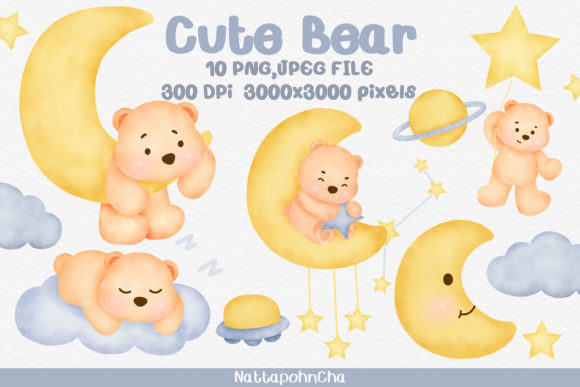
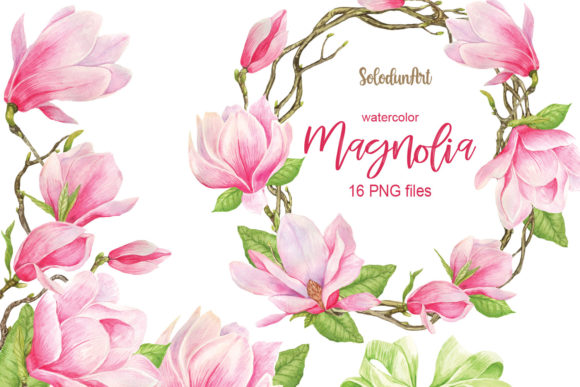
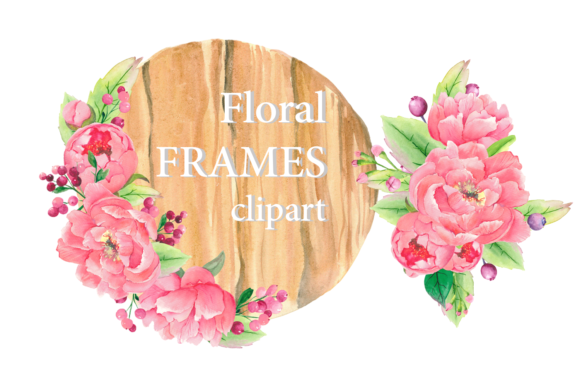
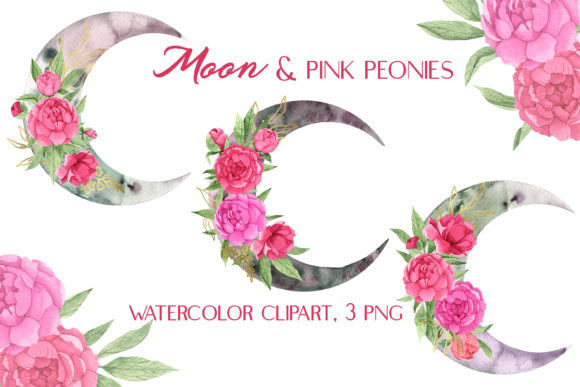
When I first pulled up the Watercolor Clipart Moon Pink Peonies file on my screen, my immediate reaction wasn't just about the aesthetic; it was about translation. As an experienced designer, I know that what looks beautiful as a digital Illustrations asset doesn't always survive the journey to the needle. This specific design carries a soft, romantic mood with its celestial moon motif nestled among lush pink blooms. It feels dreamy and ethereal, perfect for brands or individuals looking to evoke a sense of calm and natural beauty. However, before I commit this to a client's custom apparel or a batch of boutique merchandise, I need to dissect how these watercolor gradients and organic shapes will behave as a physical machine embroidery design.
From Digital Screen to Stitched Reality
The visual personality of Watercolor Clipart Moon Pink Peonies is defined by its fluidity. In a digital format, watercolor effects rely on bleeding colors and soft edges. In embroidery, we achieve this through careful manipulation of stitch density and the strategic use of fill stitch versus running stitch. My first concern with any floral moon design is the transition between the crisp lunar outline and the soft petals. If the digitizer has done their job well, the peonies should have enough variation in thread direction to mimic the painterly look without becoming a muddy mess of thread.
For a real-world test, I imagined applying this to a high-quality cotton canvas tote bag design. This is a popular item for Etsy sellers and craft fair vendors. The sturdy fabric provides a stable base, which is crucial for a design with this level of detail. The pink hues of the peonies would pop beautifully against a natural or cream-colored bag, creating a handmade product that feels elevated rather than generic. The moon element adds a touch of whimsy that appeals to the current trend of celestial and botanical themes in home decor and fashion.
Ideal Applications for Small Businesses
This design shines brightest when used for personalized gift items and small shop products. Imagine a set of kitchen tea towels for a housewarming present or a sweatshirt embroidery project for a boutique clothing line. The organic layout of the flowers allows the design to sit comfortably on curved surfaces, like the chest of a hoodie or the corner of a pillow cover. For baby embroidery, the soft pinks and gentle moon imagery are perfectly suited for nursery blankets or onesies, provided the stitch count isn't too dense for delicate skin.
Commercially, this asset could be a strong contender for printable mockup creation. Even before stitching, the image serves as a powerful visual for social media marketing, helping creative entrepreneurs sell the concept of the finished item. Once stitched, the texture of the thread adds a tactile value that digital prints cannot match, increasing the perceived worth of the finished product. Whether you are branding a yoga studio with embroidered mats or creating limited edition aprons for a bakery, the elegance of these peonies supports a premium brand identity.
Navigating Technical Challenges and Fabric Choices
While the aesthetic is stunning, practical application requires caution. Watercolor-style designs often rely on subtle color shifts that can be lost if the thread colors are not selected carefully. When working with Watercolor Clipart Moon Pink Peonies, I recommend laying out your thread chart against the actual fabric you intend to use. On dark fabrics, the lighter pinks might require an underlay or even a white base layer to prevent the fabric color from dulling the vibrancy of the flowers. Conversely, on very thin or stretchy fabrics, the density of the fill stitches could cause puckering.
Textured fabrics present another hurdle. If you are stitching this onto a waffle weave towel or a粗 linen, the fine details of the moon's craters or the delicate petal edges might get lost in the fabric's grain. In these cases, a larger hoop size might be necessary to scale the design up, ensuring the satin stitch borders remain crisp. For items like caps, which have a curved and often structured surface, you must ensure the design fits within the available sewing field without distorting the shape of the moon or crushing the floral arrangement.
- Fabric Selection: Best on medium-weight woven fabrics like cotton, linen, or canvas. Avoid highly stretchy knits unless using a cut-away stabilizer.
- Stabilizer Strategy: Given the likely density of the floral fills, a high-quality tear-away stabilizer is good for stable fabrics, but a cut-away is safer for garments that will undergo frequent washing.
- Detail Preservation: Inspect the tiny corners of the leaves and the moon's edge. If these areas look jagged in your software preview, consider simplifying the path or increasing the stitch length slightly.
Ensuring Quality and Customer Trust
The difference between a hobbyist project and a professional commercial embroidery piece often lies in the finishing. When a customer receives an item featuring Watercolor Clipart Moon Pink Peonies, they are buying into a feeling of quality. If the threads are loose, the backing is visible, or the colors clash, it undermines trust. Therefore, testing is non-negotiable. I always advise running a test stitch-out on a scrap piece of the exact same fabric intended for the final run. This reveals issues with stitch density and registration that aren't visible on a screen.
Furthermore, consider the longevity of the design. Will this embroidered patch or direct stitch hold up after thirty washes? Dense floral designs can sometimes become stiff. If the hand-feel is too rigid, it might deter customers from wearing a t-shirt or using a tote bag regularly. Balancing the visual impact of the watercolor effect with the physical comfort of the garment is key to repeat business.
Final Verdict for Designers and Makers
In conclusion, Watercolor Clipart Moon Pink Peonies is a versatile and emotionally resonant design that holds significant potential for various embroidery project types. Its strength lies in its ability to blend celestial and botanical trends into a cohesive, attractive image that appeals to a wide demographic. However, its success depends entirely on the executor's attention to technical details. From selecting the right stabilizer to choosing thread colors that honor the original watercolor intent, every step matters.
For craft business owners and independent makers, this design offers a way to create unique, high-value items that stand out in a crowded market. Just remember to verify the licensing terms associated with the digital embroidery file before selling finished goods. Check the specific file formats provided to ensure compatibility with your machine, and never assume the default settings are perfect for every fabric. With careful preparation and a keen eye for detail, this design can transform simple materials into cherished keepsakes and profitable inventory.