Review: Watercolor Clipart Animal Sea Stingray for Stitching
When I first pulled up the Watercolor Clipart Animal Sea Stingray on my screen, my immediate reaction wasn't just about the aesthetic; it was about translation. As an embroidery designer, I look at every digital asset through the lens of the needle. How will this watercolor bleed translate into satin columns? Will those soft edges hold up in a fill stitch, or will they turn into a muddy mess? This specific design, categorized under Illustrations, offers a charming, fluid silhouette that screams summer vibes and coastal living. However, taking a graphic intended for print and adapting it as a machine embroidery design requires a critical eye and a bit of strategic planning.
The Visual Personality and First Impressions
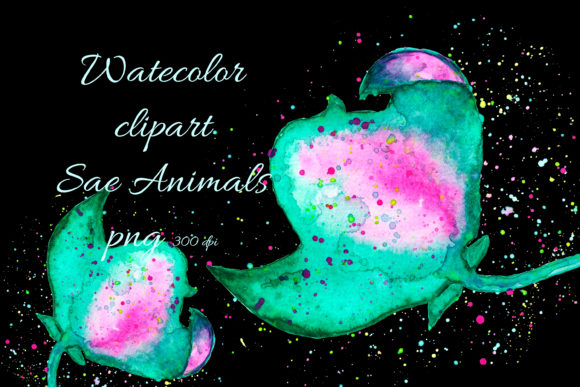
The mood of the Watercolor Clipart Animal Sea Stingray is undeniably relaxed and whimsical. Unlike rigid vector logos or sharp geometric patterns, this design relies on organic shapes and a sense of movement. For an embroiderer, this presents both an opportunity and a challenge. The "watercolor" effect suggests a need for varied thread colors and perhaps some creative blending to mimic that painted look. If you are digitizing this yourself or evaluating a pre-made embroidery file, pay close attention to how the color transitions are handled. A poor digitization job here could result in harsh lines where there should be soft gradients.
In terms of layout, the stingray's wide wingspan makes it a fantastic candidate for horizontal placements. It feels natural on the chest of a sweatshirt, across the back of a tote bag, or even as a central motif on a pillow cover. The visual personality is friendly and approachable, making it an excellent choice for personalized gifts aimed at children, beach lovers, or anyone with a penchant for marine life. It lacks the aggression of a shark or the complexity of an octopus, offering a clean, recognizable shape that reads well even from a distance.
Real-World Application: The Coastal Tote Project
To truly test the viability of this design, I imagined a real-life scenario: creating a limited run of custom tote bags for a local boutique hotel's gift shop. The goal was to produce a handmade product that felt high-end yet playful. Using the Watercolor Clipart Animal Sea Stingray on a canvas tote seemed like the perfect fit. The sturdy fabric of a tote bag can support the density required to make the stingray pop without puckering.
In this context, the design shines as a piece of custom apparel or accessory branding. Imagine stitching this onto a navy blue bag using shades of teal, aqua, and white. The contrast would be striking. For an Etsy seller or small shop owner, this kind of versatility is gold. You aren't just selling a bag; you are selling a vibe. The finished product becomes a statement piece. However, if I were pitching this to a client for a corporate uniform, I might hesitate unless the brand identity was specifically leisure-oriented. For commercial embroidery projects, clarity is king, and while this design is clear, its artistic nature means it fits best in lifestyle markets rather than industrial ones.
Navigating Fabric and Hoop Constraints
While the design is beautiful, it demands respect regarding where it is placed. The wide stance of the stingray means you must confirm your hoop size before committing. A standard 4x4 hoop might clip the wings, ruining the silhouette. For most applications, a 5x7 or larger hoop would be necessary to capture the full grace of the creature. This is a crucial detail for anyone buying a digital embroidery file without seeing the dimensions first.
Fabric choice is equally critical. On textured fabrics like terry cloth or heavy fleece, the fine details of a watercolor style might get lost. The stitch density needs to be high enough to cover the texture but not so high that it causes the fabric to pucker or the thread to break. Conversely, on thin, stretchy fabrics like a lightweight t-shirt or a baby onesie, this design could be problematic without the right stabilizer. The wide spread of the design acts almost like a bridge; if the fabric stretches underneath, the stitching could warp. For baby embroidery, I would recommend using a cut-away stabilizer to ensure longevity through countless washes.
Curved surfaces present another hurdle. Attempting to stitch this onto a structured cap is possible but risky. The flat, wide nature of the stingray fights against the curve of a cap front panel. If you must do it, consider breaking the design into an applique design where the body is a fabric patch, reducing the stitch count and allowing the material to conform better to the curve. Otherwise, stick to flat surfaces like aprons, tea towels, or wall art.
Enhancing Value and Professionalism
The ultimate test of any design is how it affects the perceived value of the finished product. A well-executed Watercolor Clipart Animal Sea Stingray elevates a simple item into something collectible. For craft business owners, consistency is key. If you use this design across a line of products—say, a matching set of a beach towel, a tote, and a sun hat—it creates strong brand recognition. Customers trust handmade items that look deliberate and polished.
Visual appeal drives buyer engagement. In a crowded marketplace like Etsy, thumbnails matter. This design, with its inherent artistic flair, makes for stunning printable mockups. Even before the needle hits the fabric, the image sells. But the physical stitch quality must match the digital promise. Poor tension or visible jump stitches in the gradient areas can destroy customer trust instantly. Therefore, inspecting small details and doing a test run on scrap fabric identical to your final material is non-negotiable.
Practical Notes for the Serious Embroiderer
Before you commit to a production run, here are a few practical steps to ensure success with this specific illustration:
- Test on Scrap: Always stitch a sample on the exact fabric you intend to use. Watch how the watercolor effect translates; you may need to adjust thread shades for better contrast.
- Check Density: Review the stitch count and density. If the design feels too heavy for a light garment, consider requesting or editing the file to use more running stitches for outlines and fewer dense fills.
- Stabilizer Strategy: For dark fabrics, ensure your underlay is sufficient to prevent the background from showing through the lighter threads of the stingray.
- Licensing Verification: Since this falls under Illustrations, confirm the license terms. Can you sell unlimited finished goods? Are there restrictions on using it for digital resale? Never assume; always read the fine print to protect your small shop product line.
- Mockup Testing: Create black-and-white mockups to see if the design holds its shape without color. This helps identify if the form is strong enough on its own.
In conclusion, the Watercolor Clipart Animal Sea Stingray is a versatile and evocative choice for the right project. It thrives in holiday embroidery for summer vacations, wedding gifts for destination ceremonies, and everyday boutique branding. It requires a thoughtful approach to hooping, stabilizing, and fabric selection, but when executed with care, it results in a professional, eye-catching piece that customers will love. Whether you are a hobbyist making a gift or a pro scaling a business, this design offers a solid foundation for creativity, provided you respect the technical limits of the medium.