Watercolor Barbershop Tools Illustrations
As a designer who regularly works on branding, packaging, and marketing visuals for small businesses and handmade brands, I often seek out creative design assets that bring a unique visual mood to a project. Watercolor Barbershop Tools is one such digital product that offers a charming, handcrafted aesthetic ideal for specific client work. This review explores how the asset performs in real design situations and whether it’s suitable for professional use.
First Impressions: A Warm, Handmade Vibe
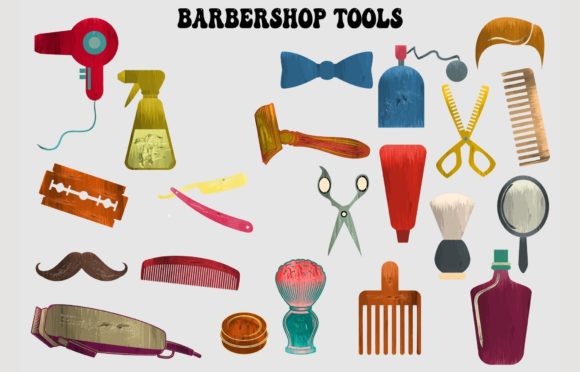
Watercolor Barbershop Tools immediately conveys a nostalgic, artisanal feel. The illustrations are soft, with subtle brushstrokes and gentle color washes that evoke a sense of craftsmanship. This style naturally fits projects that aim to communicate authenticity, tradition, or a personal touch. Whether it's for a local barbershop, a vintage-themed boutique, or a seasonal campaign, the asset brings a visual warmth that can elevate a design concept.
The tools depicted—razors, clippers, combs, and scissors—are rendered in a way that feels both realistic and whimsical. This balance makes the illustrations versatile enough to be used in multiple contexts without feeling out of place.
Real-World Design Applications
When working on a client project, the practicality of a graphic design asset matters. Watercolor Barbershop Tools shines in areas where a soft, decorative touch is needed. For example, in logo design, it can serve as a complementary element that adds character without overpowering the main typography. In brand identity, the illustrations can be used as icons or background elements that reinforce a cohesive visual language.
In packaging design, these illustrations can add a handmade quality to product labels, especially for items like soaps, lotions, or artisanal goods. They also work well in sticker design, t-shirt design, and merchandise, offering a consistent motif that supports a brand’s personality.
For social media graphics and web design, the asset can be used as a hero graphic or decorative accent. It’s particularly effective in Canva templates, Cricut projects, and printable wall art, where the visual appeal of the design is key.
Where It Excels: Themed Projects and Decorative Use
Watercolor Barbershop Tools is best suited for large layout areas, hero graphics, and themed collections. Its soft, flowing lines make it ideal for product mockups, editorial design, and campaign visuals that require a warm, inviting tone. When used as a decorative accent, it can enhance the overall aesthetic of a design without distracting from the primary message.
This asset also works well in commercial design and print-on-demand projects, especially when paired with handwritten or script fonts. It can be a valuable addition to a design bundle, offering a cohesive look for handmade businesses or small business branding efforts.
Where to Use with Caution: Minimalist and Professional Contexts
While the watercolor style is appealing, it may not be the best fit for minimalist branding or professional corporate materials. In crowded layouts or low-contrast designs, the details can become lost or visually overwhelming. Similarly, in projects that require a clean, modern design, the soft edges and muted tones might not align with the desired aesthetic.
For logo design or marketing visuals that need strong visual hierarchy, Watercolor Barbershop Tools should be used sparingly. It’s important to test it in black and white and check contrast on both light and dark backgrounds to ensure readability and brand consistency.
Design Considerations and Practical Tips
Before using Watercolor Barbershop Tools for a client project, there are several practical steps to take. First, preview the illustrations at various sizes to see how they hold up in different formats. Test them on real mockups to understand how they interact with other design elements.
If the asset includes PNG or SVG files, inspect the transparency and editability. For sublimation design or t-shirt design, ensure the file format supports high-quality printing. Also, compare the illustrations with different font styles—serif, sans serif, script, or display—to find the best pairing for the project.
Finally, always confirm the commercial license before using the asset for a client or business project. This ensures that the design can be used without legal issues, especially in print-on-demand or Etsy product scenarios.
Conclusion: A Useful Asset for the Right Project
Watercolor Barbershop Tools is a creative design asset that can add a unique, handmade flair to a variety of projects. It’s ideal for small business branding, handmade brands, and seasonal campaigns where a warm, authentic visual mood is desired. However, its suitability depends on the context and the design goals of the project.
As a designer, I recommend testing the asset in different scenarios and considering how it interacts with other design elements. When used thoughtfully, Watercolor Barbershop Tools can enhance a design’s emotional appeal and help create a more polished, cohesive final result.